
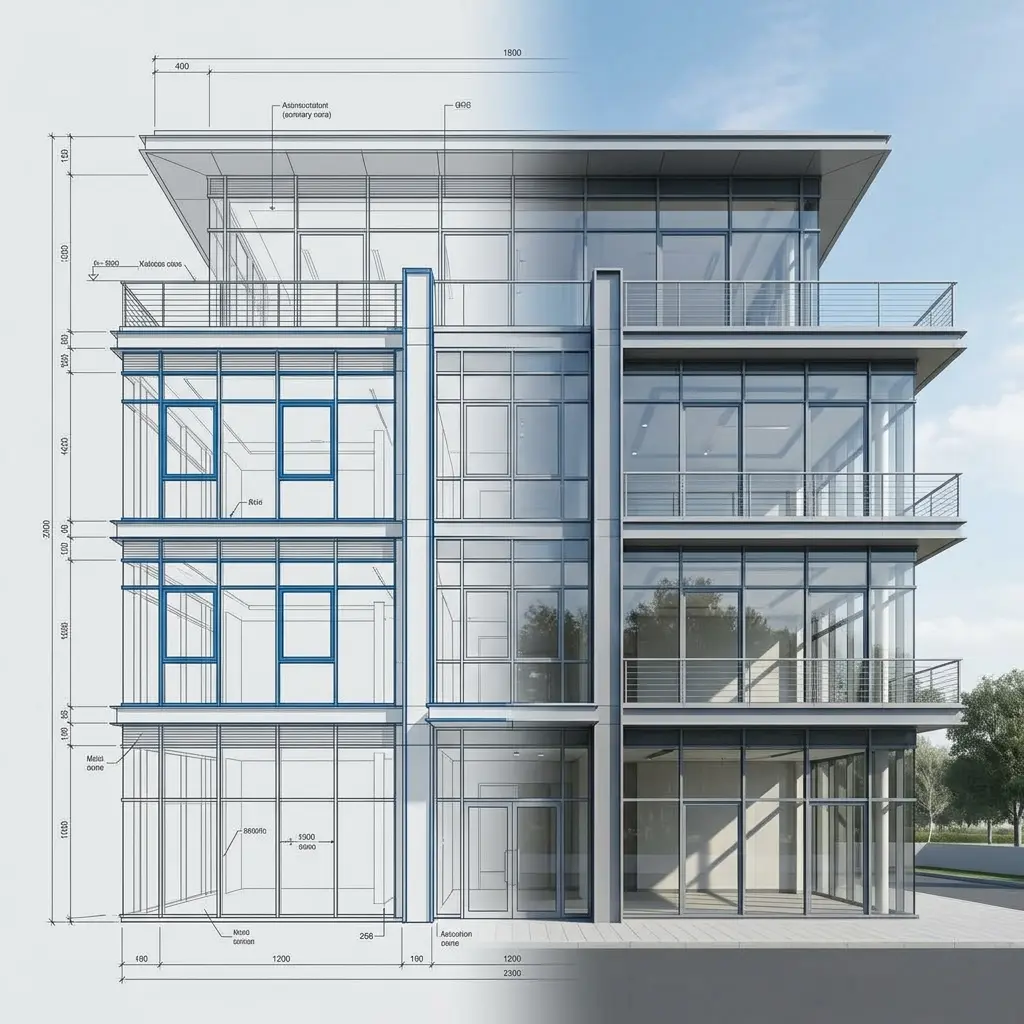
Commercial Facade Design Challenges in Modern Buildings: What Design and Engineering Teams Need to Watch For
Each building today tries to stand out, and most of the time, an attractive exterior is used to create an impact. But commercial facade design serves a higher purpose. These modern building facades are expected to perform on multiple levels. Energy efficiency, thermal performance, constructability, sustainability, and post-construction maintenance- all are expected to work together perfectly.

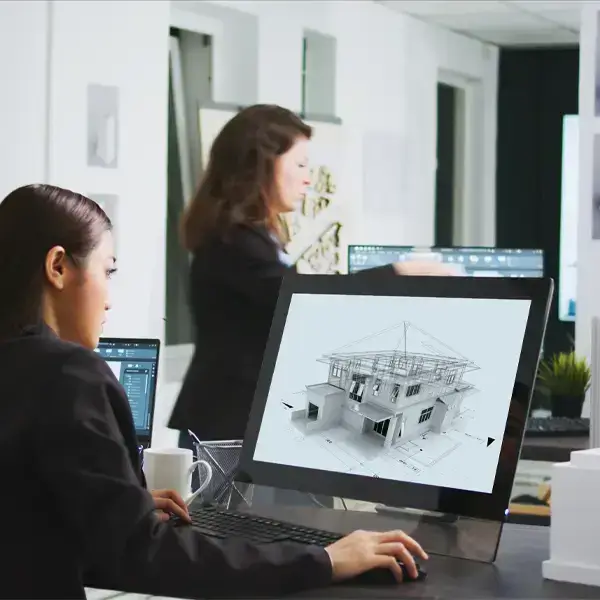
Success Story: Outsourcing Architectural Drafting for a Restaurant in Texas
If you’re an architect or design manager, you’ve probably noticed that the creative world of architecture is starting to feel a little mechanical. Between new drafting and modeling tools launching every other month and clients expecting “innovative” designs on impossible timelines, keeping your team updated (and sane) can feel like a full-time job.

How Scan to BIM Creates actionable data models
In today’s rapidly digitizing construction and renovation industry, accuracy and data-driven decision-making are essential for success. That’s where Scan to BIM (Building Information Modeling) comes into play. This powerful process transforms existing physical spaces into detailed, intelligent 3D models that provide actionable data throughout a building’s lifecycle.

Top 8 Benefits of Outsourcing BIM for Construction Companies
Construction is a complex and detail-oriented process. Whether you planning to build a cozy home or a towering commercial complex, every project demands the creation of multiple technical drawings—each focusing on a specific discipline of construction. For example, MEPF drawings detail mechanical, electrical, plumbing, and fire protection systems, while architectural and structural drawings focus on design and support elements.

BIM Outsourcing vs. In-House: The Smart Choice for the AEC Industry
The construction industry is evolving rapidly, with technology playing a crucial role in shaping its future. One such game-changing innovation is Building Information Modeling (BIM). But for architecture, engineering, and construction (AEC) firms, the big question remains: Should BIM be handled in-house, or should it be outsourced? In this article, we will explore the advantages, challenges, and best practices of BIM outsourcing and compare it with in-house BIM teams, helping you determine the best approach for your business.

Bim Coordination Process: A Complete Guide
BIM or building information model forms the backbone of the construction planning process. It saves tons of money and time that would otherwise go to waste if the stakeholders such as the engineers, architects and designers collaborated without this structured approach.