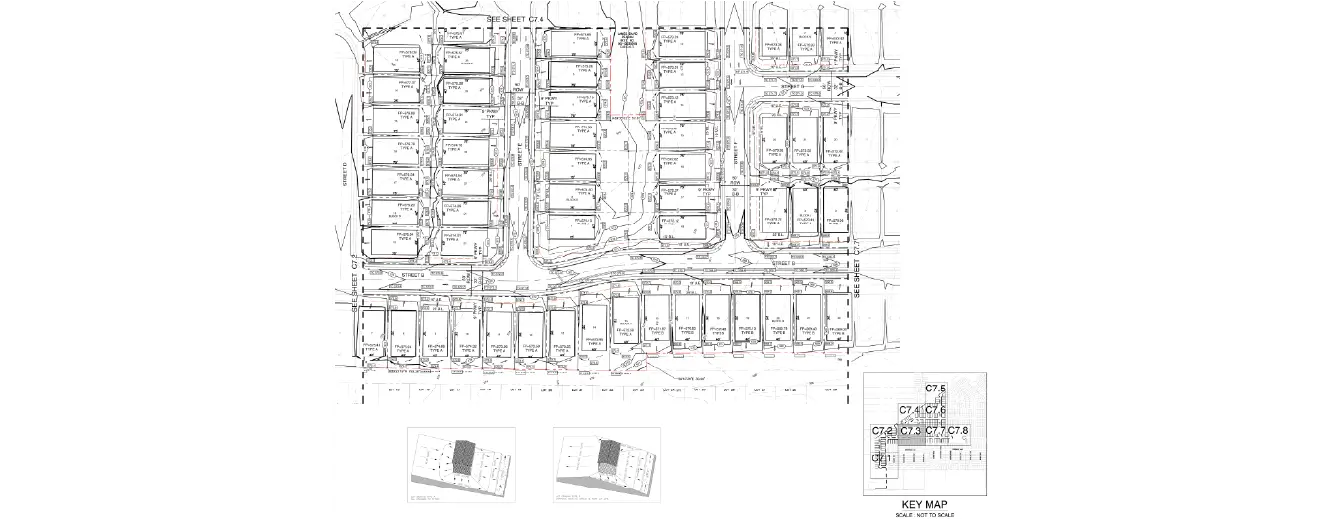
Smart Grading Solution for Efficient Large-Scale Site Development
Introduction
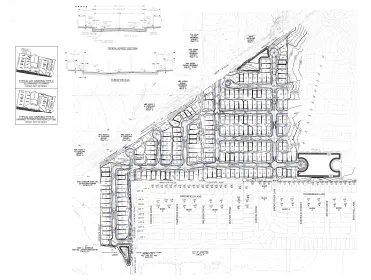
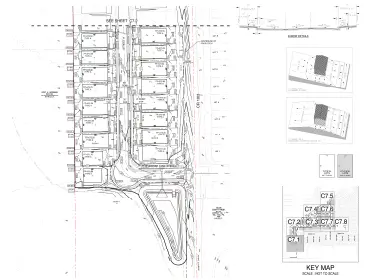
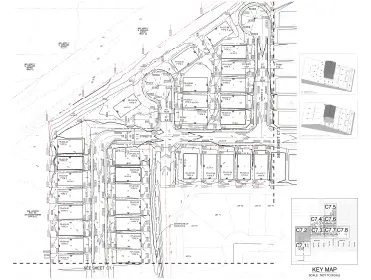
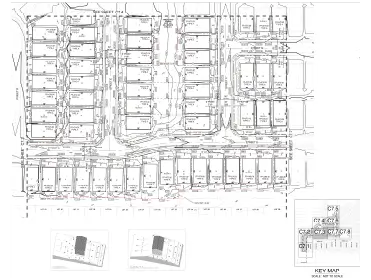
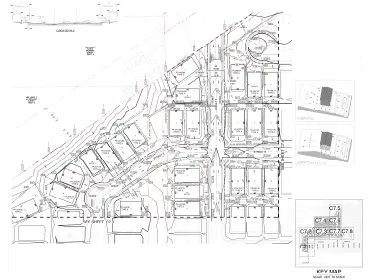
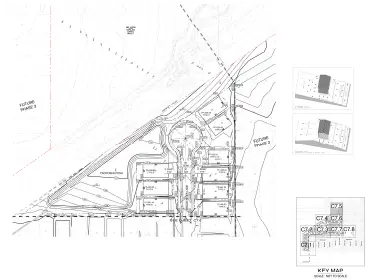
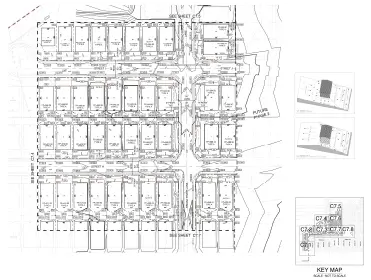
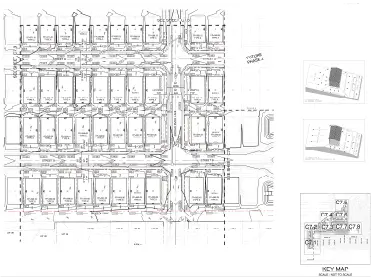
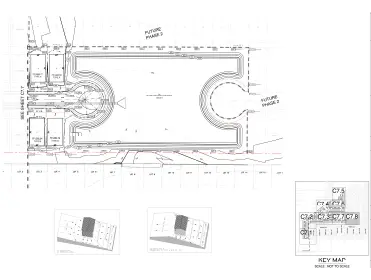
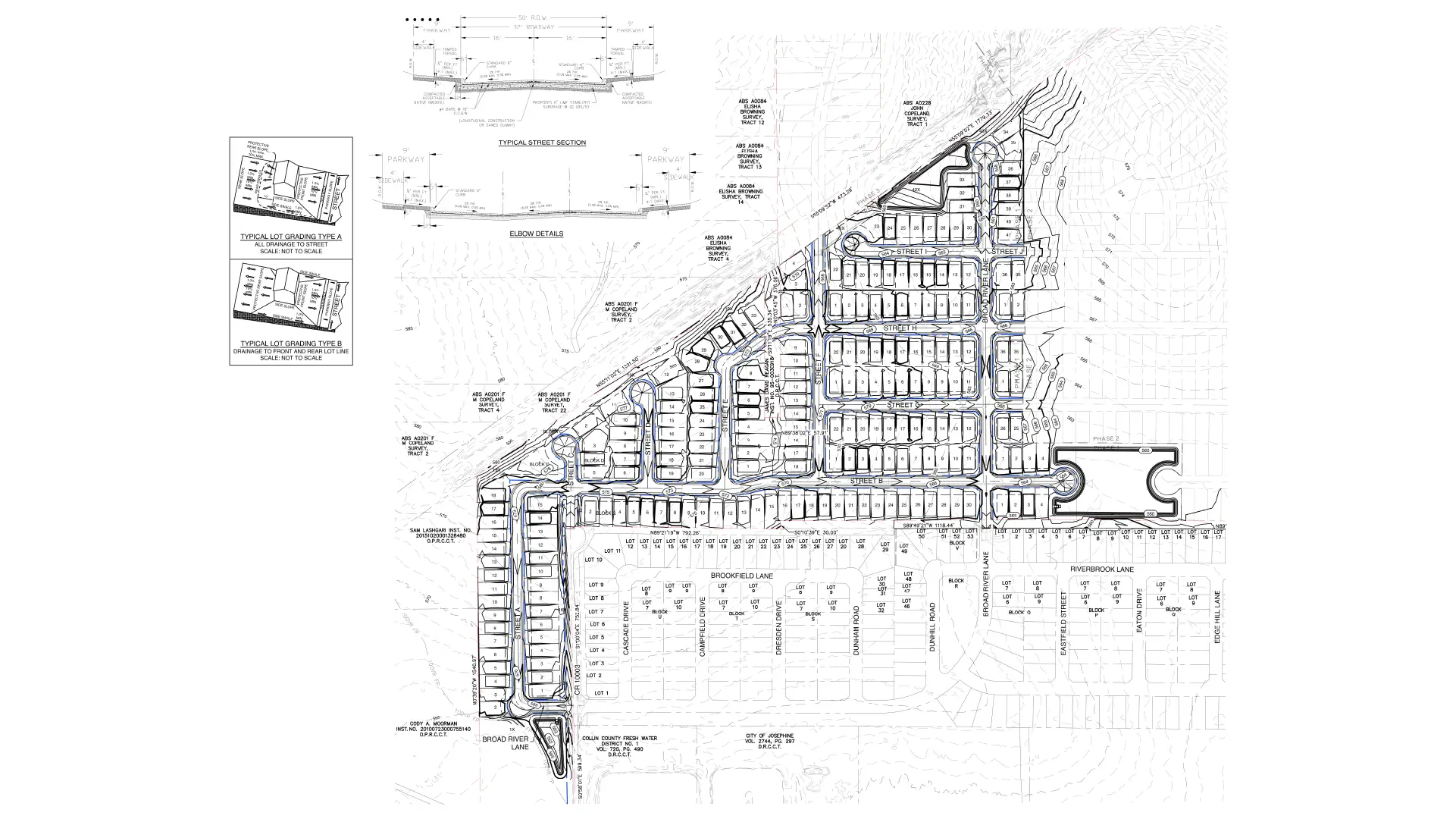
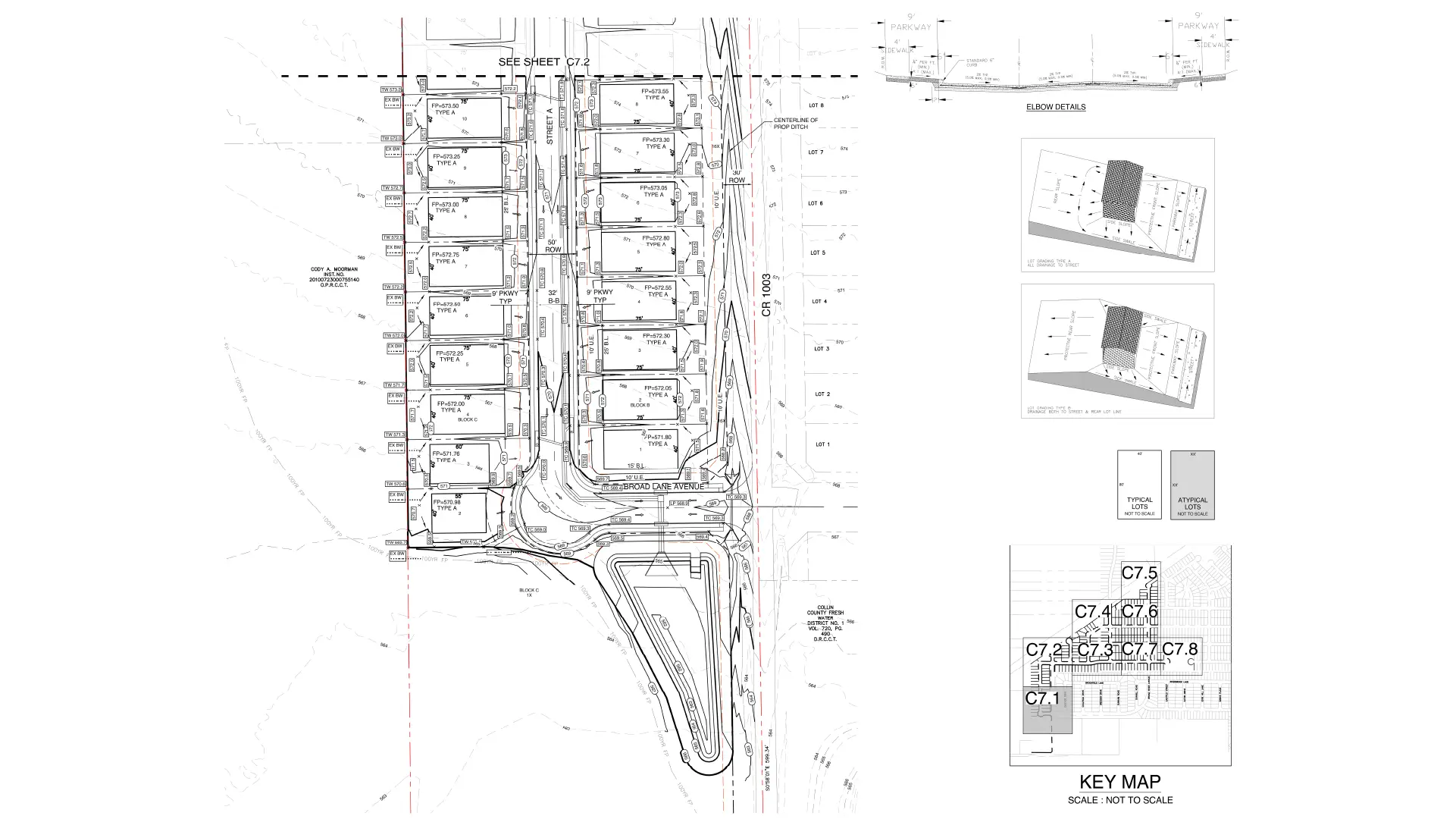
Key Challenges
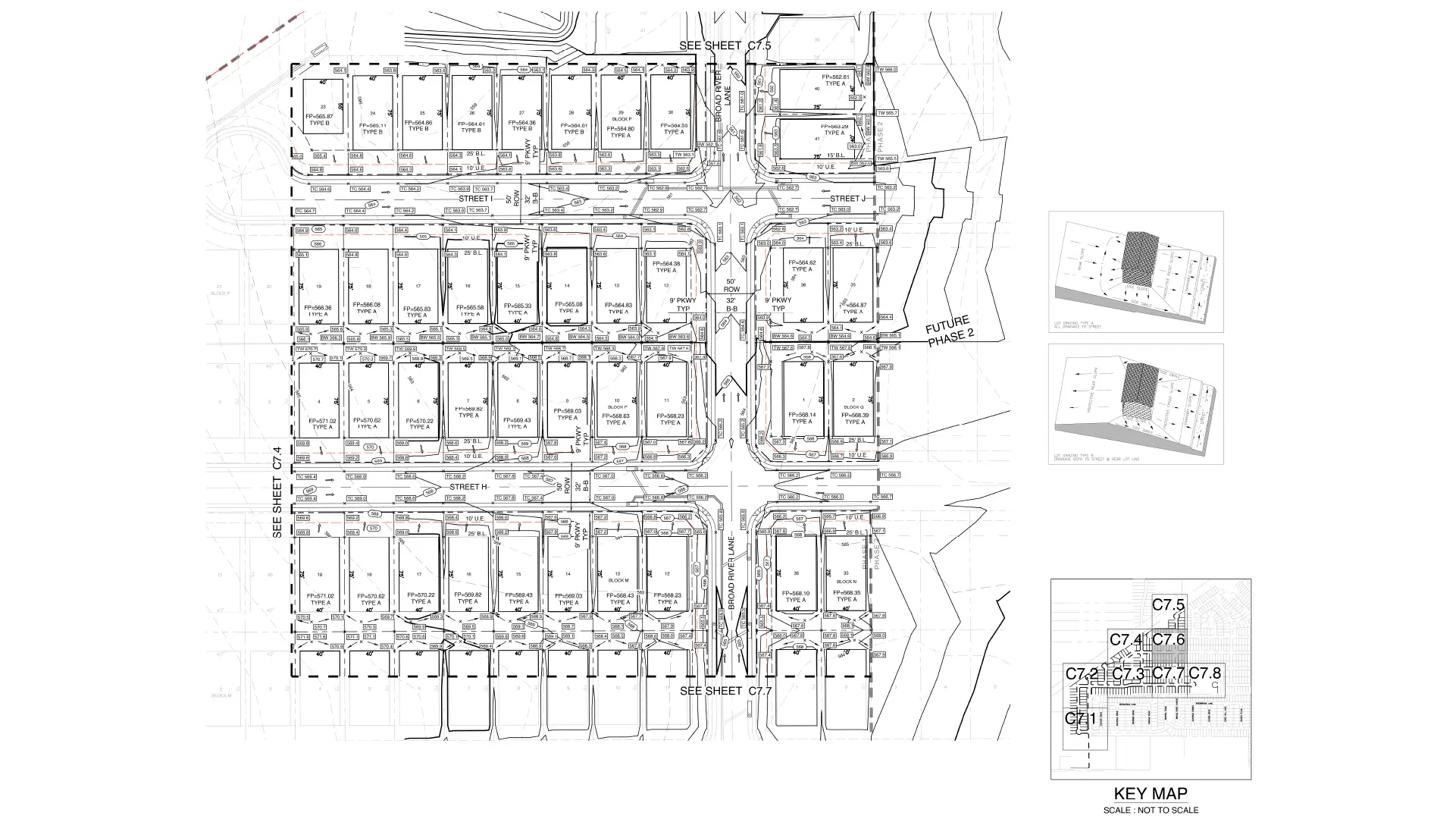
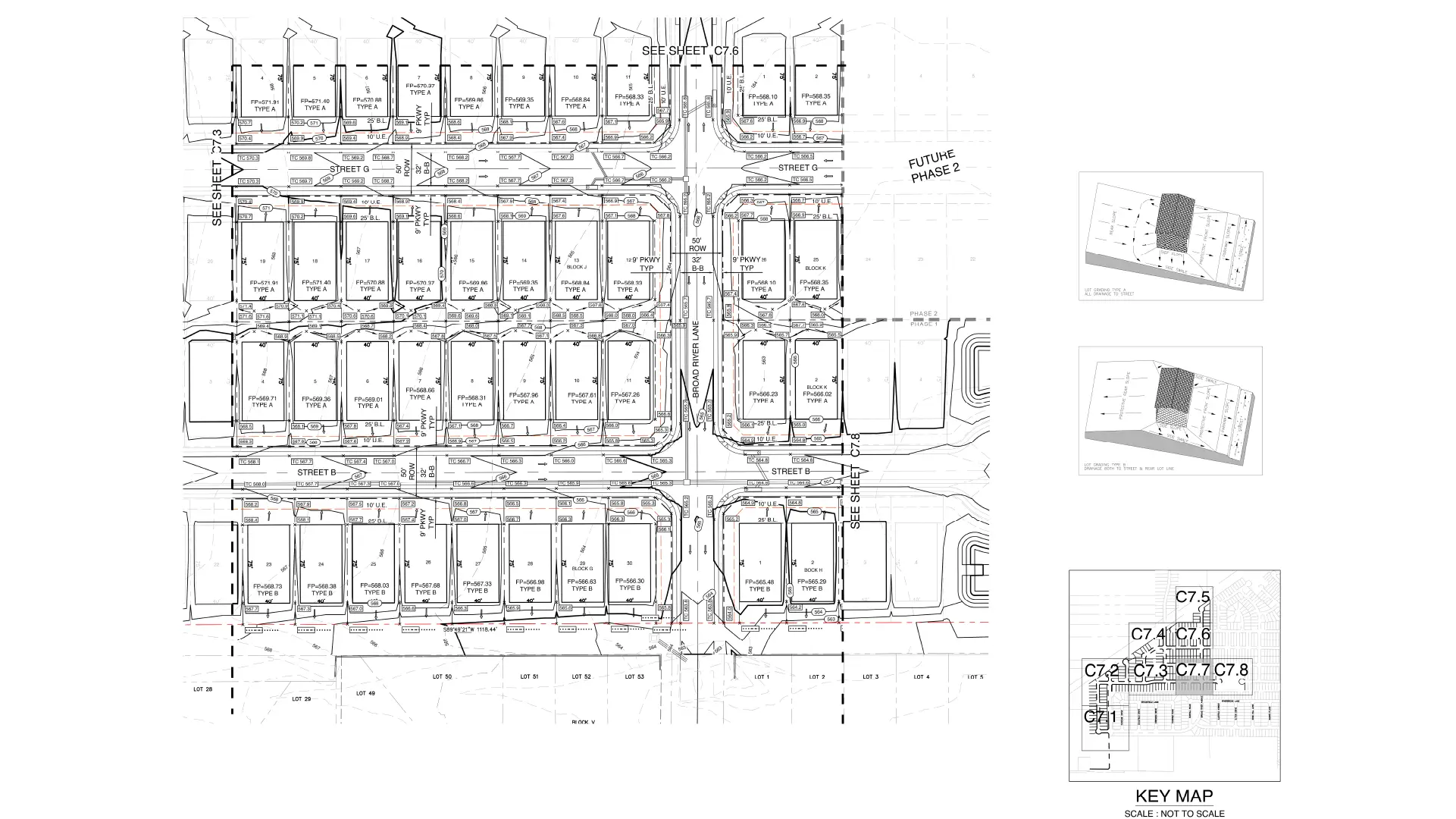
- Complex Existing Topography
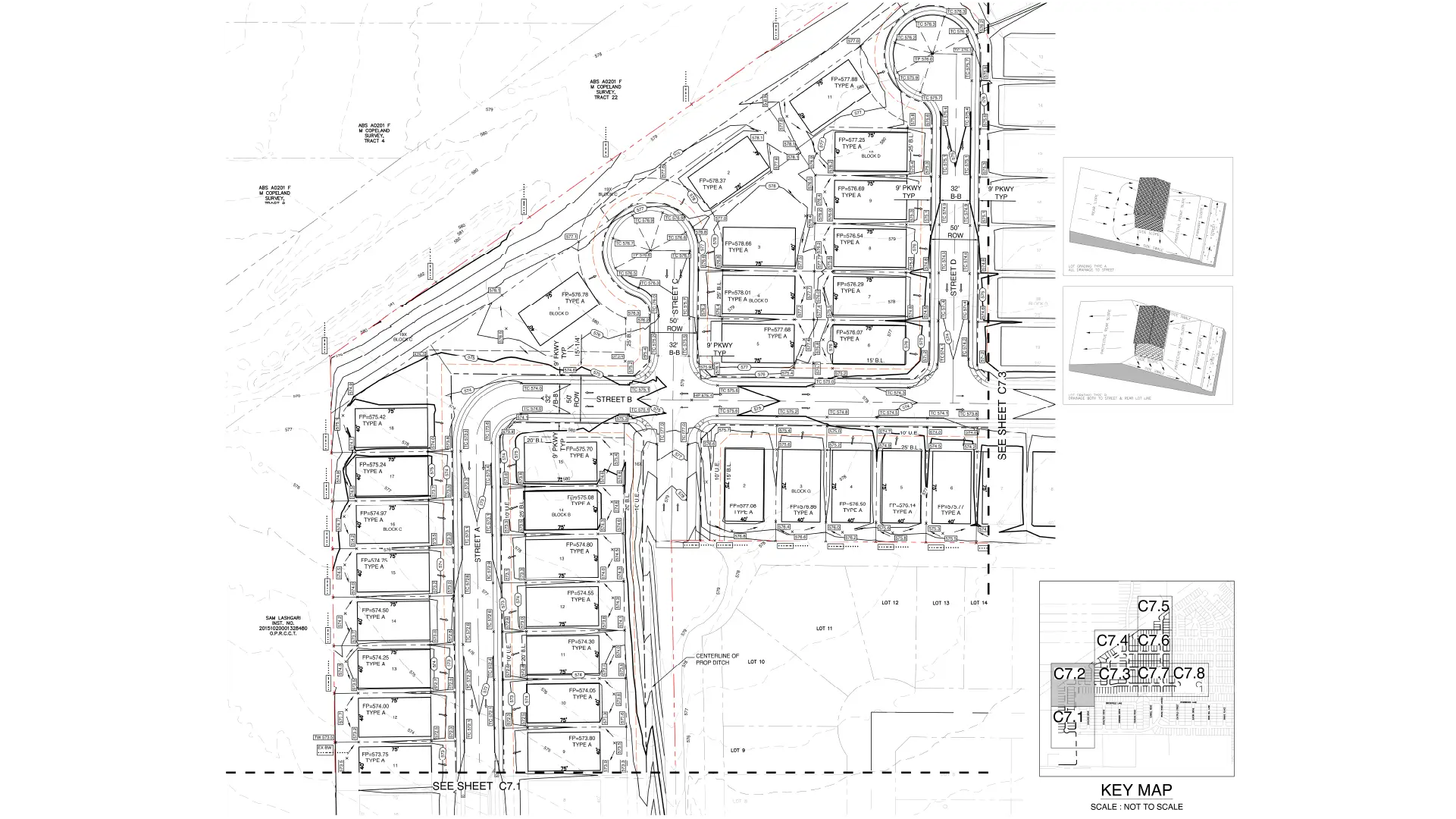
The site shows elevation variation, natural slopes, and irregular terrain profiles. This made it challenging to have a uniform grading level while preserving the natural landscape.
- Earthwork Imbalance Risks
Achieving optimal cut and fill balance was critical. Excess excavation led to increasing costs, material wastage, and an extended project timeline.
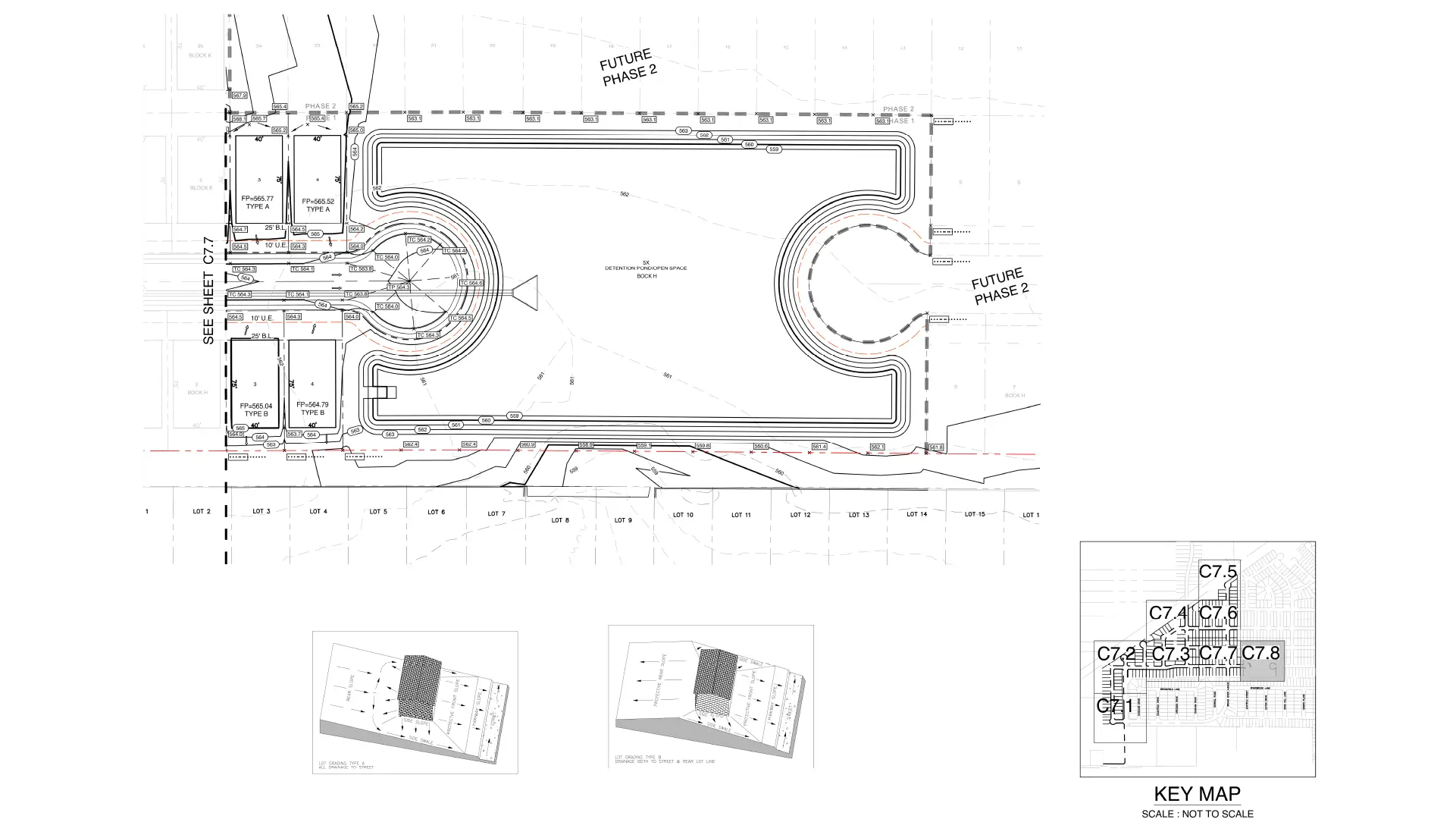
- Stormwater Management Constraints
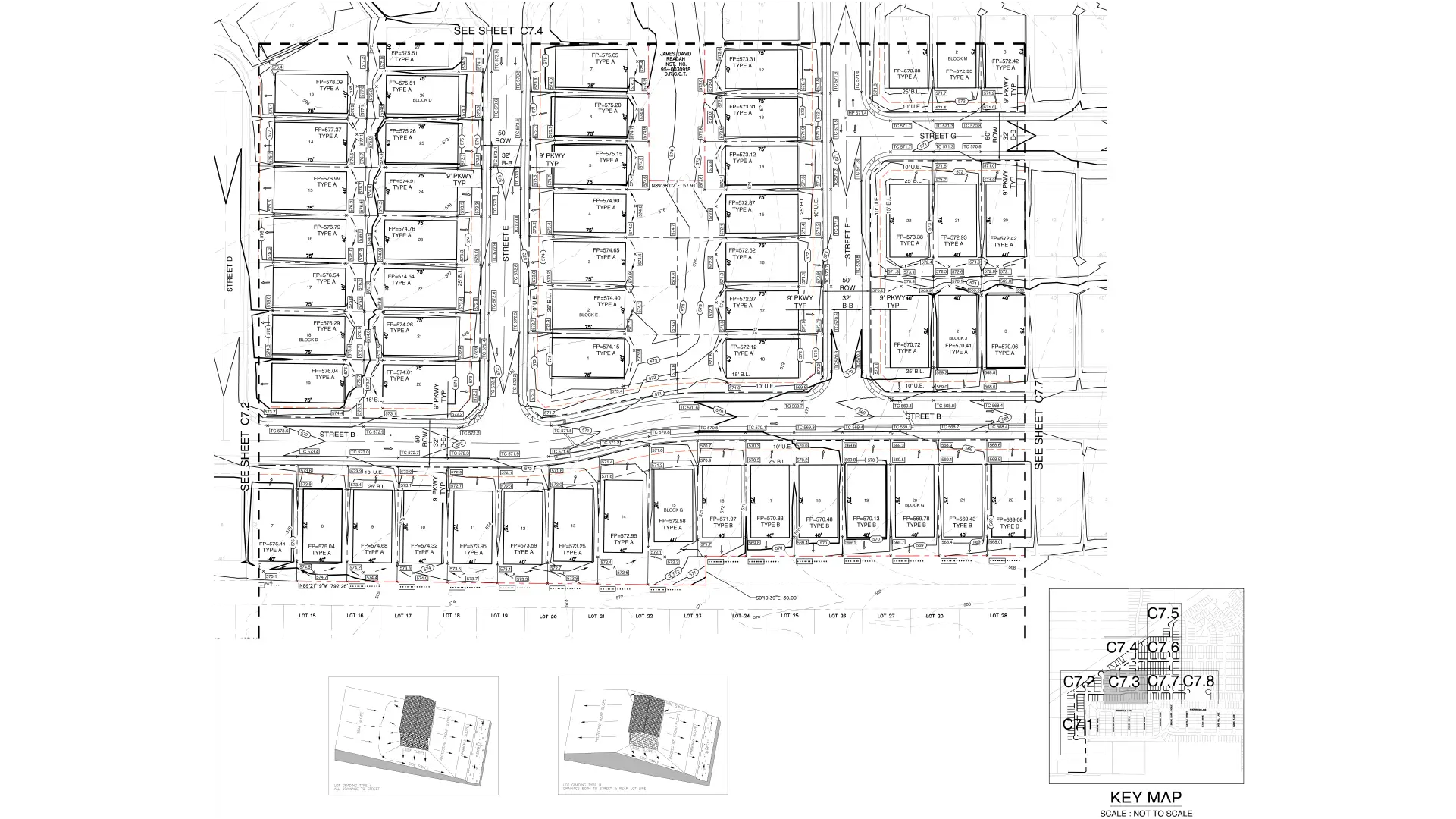
Designing a grading plan that enables water runoff without erosion requires careful slope planning and seamless integration.
- Regulatory and Environmental Compliance
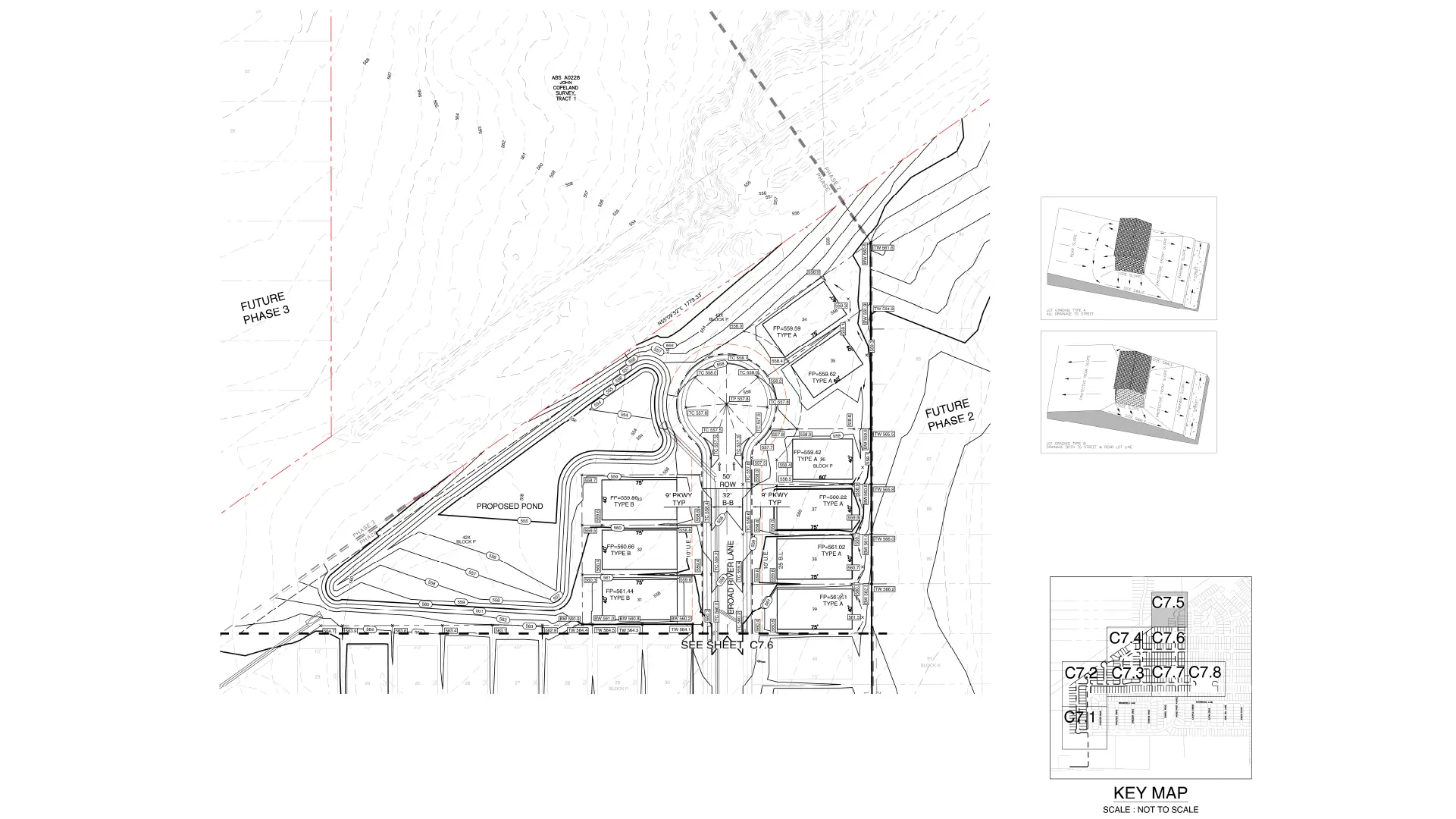
The project had to adhere to strict local grading codes and erosion control standards, requiring precise planning to secure approvals.
- Construction Accessibility and Feasibility
The grading plan needed to support efficient construction sequencing without compromising safety or design intent.
Approaches and Solutions
- Detailed Site Analysis
We conducted a thorough topographic assessment and used contour mapping to understand elevation patterns better and guide informed grading decisions.
- Optimized Cut and Fill Strategy
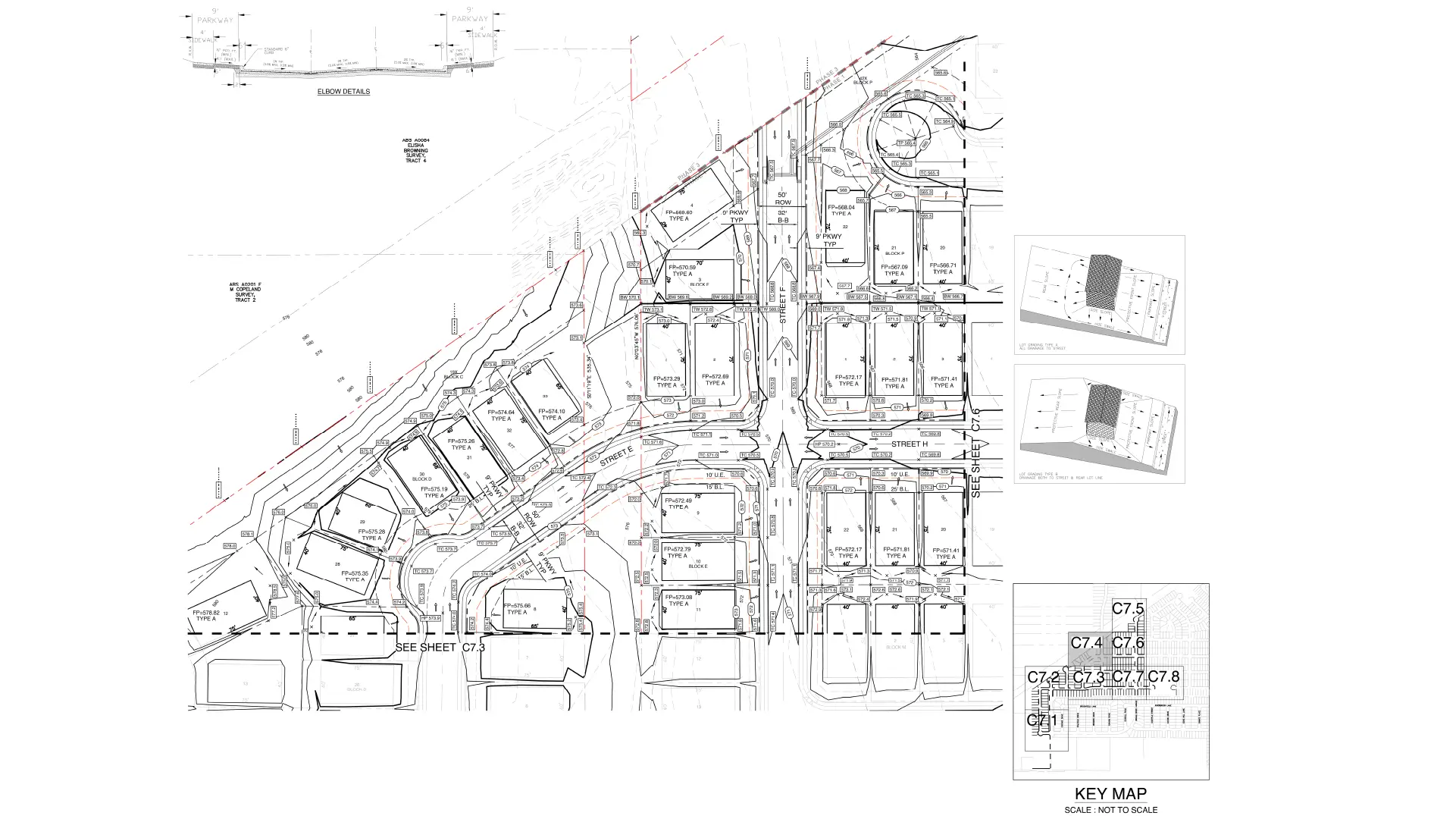
Developed balanced earthwork volumes to minimize material import and export. Also reduced the overall construction cost for the project while improving construction efficiency.
- Efficient Drainage Planning
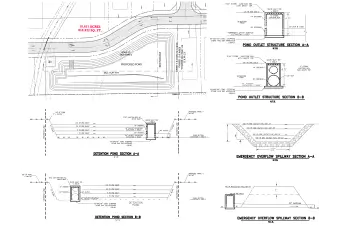
For efficient drainage, design slopes to direct water flow naturally. Integrated grading with Stormwater drainage system to prevent waterlogging and reduce erosion risks.
- Slope Stabilization Techniques
Ensured that all proposed slopes were safe, stable, and construction-friendly. Erosion control measures were incorporated to maintain long-term site integrity.
- Collaborative Design Coordination
Worked in close coordination with roadway and utility teams to align grading with site infrastructure. This minimizes design conflicts and ensures smooth project execution.
- Use of Advanced Drafting and Modeling Tools
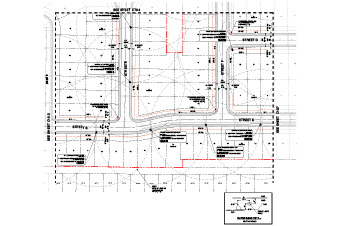
Utilized CAD-based tools to create precise grading plans and contour layouts. This enhanced accuracy, reduced errors, and improved overall design clarity.
Final Outcome
-
Achieved balanced grading design with minimal earthwork wastage.
-
Ensured efficient Stormwater flow, reducing future flooding risks.
-
Delivered construction-ready plans aligned with site requirements.
-
Reduced project cost through optimized material usage.
-
Enables smooth execution with clear and precise documentation.
Client Overview
Developed a large-scale and well-planned residential or mixed-use community. Accurate and cost-efficient grading design. Faster approval and construction readiness and sustainable and regulation-compliant site development.
Build Smarter Sites with Expert Grading Solutions
Optimize land development with precise, cost-effective grading plans for better performance and compliance.

Pavan Mulik is the Vice President of Operations at Gsource Technologies and also serves as Account Manager for Structural and Mechanical Design. With extensive expertise in civil engineering, land surveying, and BIM, he excels at managing complex workflows and driving cross-functional collaboration. His strategic approach ensures smooth project execution at any scale. Outside work, he enjoys exploring landscapes and architectural marvels for inspiration.
Related Case Studies
(Enter captcha image text in box)