Blog
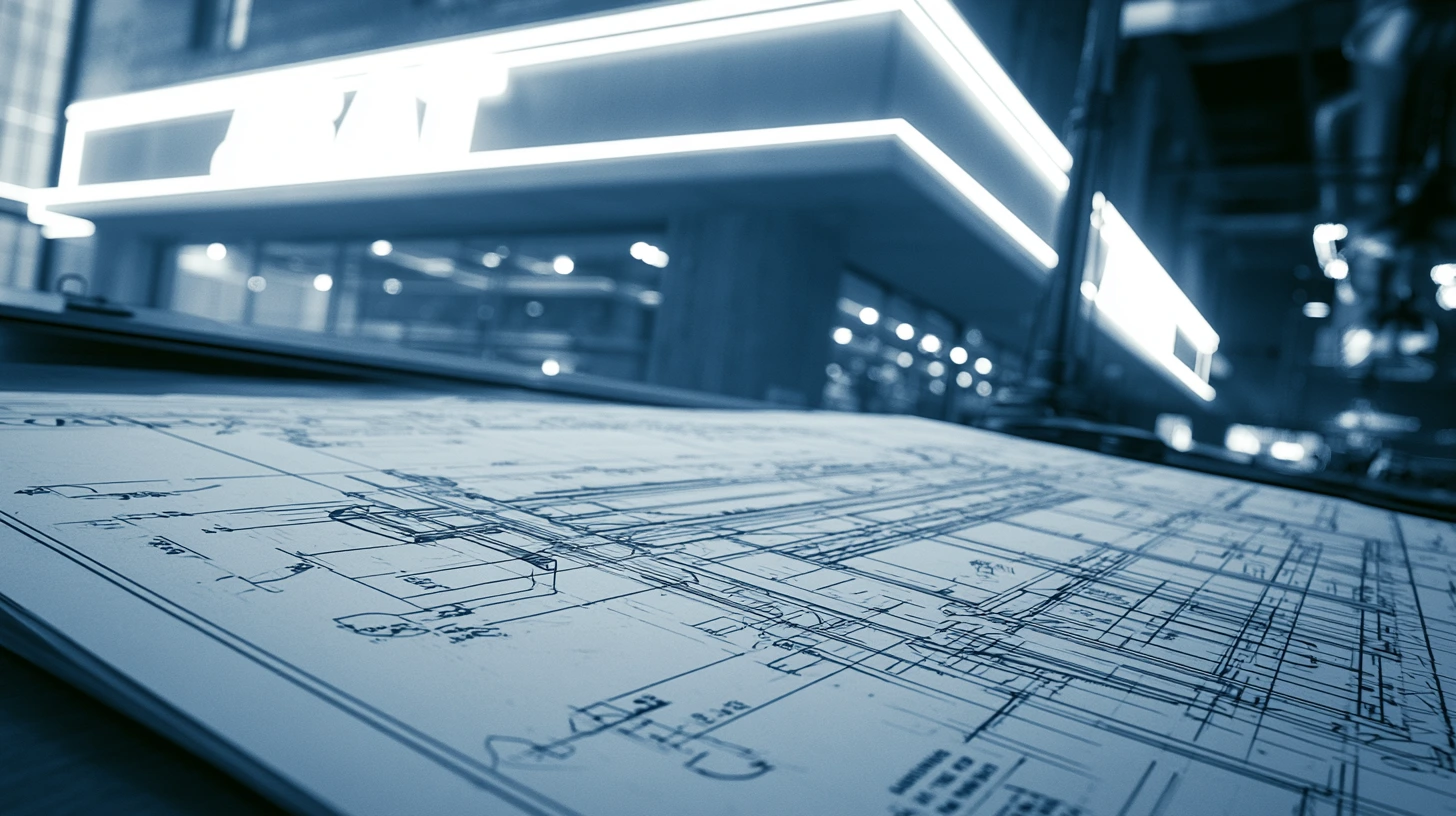
What Must Be Included in Fabrication Drawings for Signage Permit Approval
Imagine a signage project that looks perfect on the outside, the design is approved, brand elements are in place, and installation is scheduled. But one missing detail in fabrication drawings can bring the entire process to halt, be it small structural details or safety specifications.
Fri Jun 12, 2026


7 Critical Questions to Ask Before Hiring Survey Drafting Support in 2026
Hiring the right land survey drafting service provider is crucial for the completion of your project. Ask these top 7 questions before hiring in 2026


4 Hidden Costs of Not Outsourcing Architectural Work
Not outsourcing architectural work can cost more than you think. Learn how rework, hiring overhead, and missed deadlines impact firm growth.


How Large Architecture Companies Benefit from Outsourcing Architectural Drafting
Learn how AEC enterprise companies outsource architectural drafting to boost capacity, standardize delivery, and maintain control across complex, high-value projects.

How to Choose the Right Outsourcing Architectural Drafting Partner in 2026
2026 is gearing up to shake things up for everyone in the AEC space. Deadlines are getting tighter, project expectations are getting higher, and clients want everything yesterday. Add rising construction costs and rapid digital adoption, and it’s clear- our old ways of managing drawings and deliverables won’t cut it anymore.
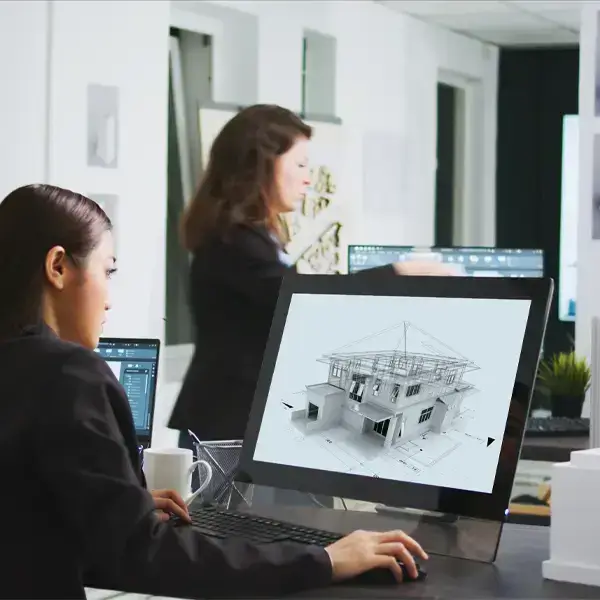
Success Story: Outsourcing Architectural Drafting for a Restaurant in Texas
If you’re an architect or design manager, you’ve probably noticed that the creative world of architecture is starting to feel a little mechanical. Between new drafting and modeling tools launching every other month and clients expecting “innovative” designs on impossible timelines, keeping your team updated (and sane) can feel like a full-time job.

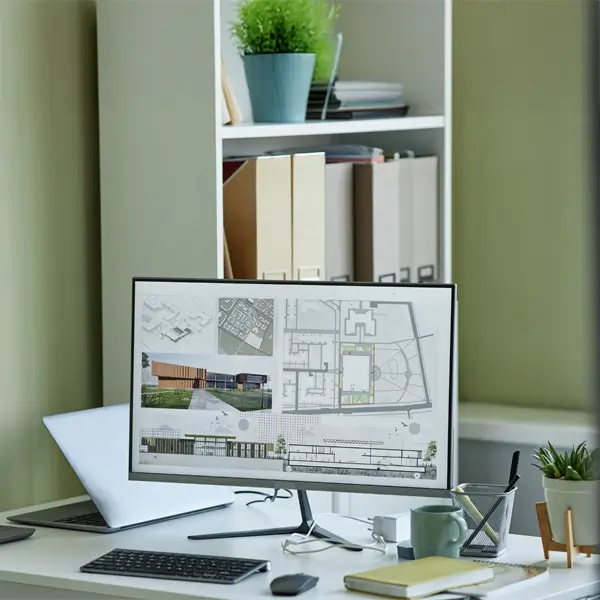
5 Signs Your AEC Firm Needs to Outsource Architectural Drafting Services
You know what they say about architecture firms- the work truly never ends. Between managing complex designs, endless revisions, and demanding client deadlines, teams are constantly on their toes. And just when you think things are under control, new projects pile up, software updates roll in, and the architecture firm staffing crisis causes trained staff to move on to other opportunities at the worst possible moment. Sound familiar?

Success Story: Multi-trade BIM Coordination
The construction of high-rise buildings is a complex balancing act where multiple trades come together to create a safe, functional, and efficient structure. When even one piece of the puzzle is misaligned, the consequences can ripple across the entire project, causing rework, delays, and budget overruns. This is where multi-trade BIM coordination proves its value, ensuring that architecture, structure, and MEPF (Mechanical, Electrical, Plumbing, and Firefighting) systems all work in harmony.

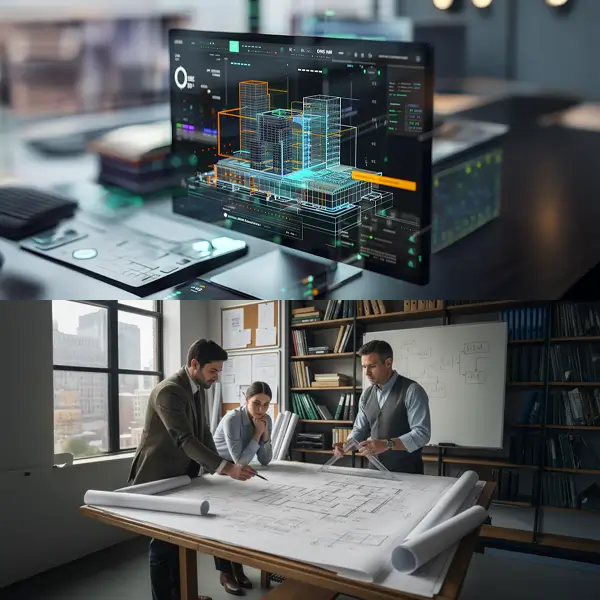
BIM Coordination vs. Traditional Coordination: A Cost/Benefit Analysis
Investing in BIM coordination services is more than a technological upgrade- it’s a strategic decision that transforms how projects are designed, managed, and executed. By integrating all disciplines into a single, data-rich model, teams can detect clashes early, streamline workflows, and improve collaboration across stakeholders. The result is faster project delivery, reduced rework, and enhanced quality, all while maintaining cost efficiency in multi-trade construction projects.


How to Implement a BIM Coordination Process in Your Project
Delays and endless rework are constant causes of frustration on construction sites for contractors, engineers, and project managers. These challenges consume time and budgets and strain relationships between teams. Not to mention, they cause clients to question your reliability.
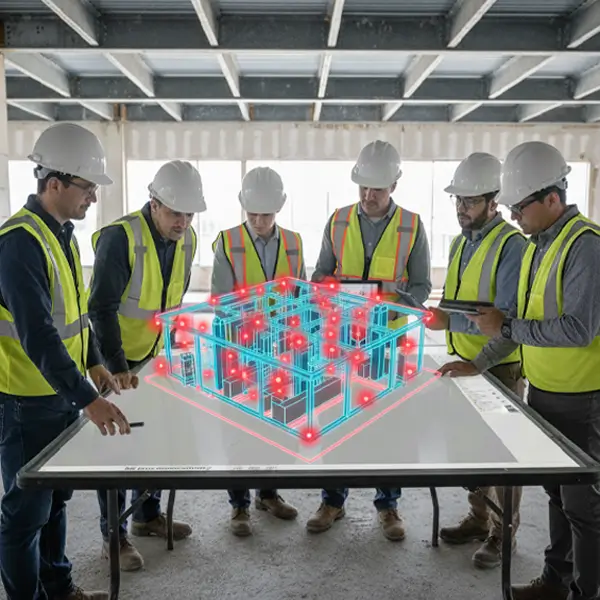
Clash Detection Explained: How BIM Prevents On-Site Issues
On construction sites, it’s nothing new for work to suddenly grind to a halt because ductwork is clashing with a beam. Or perhaps, a plumbing line is overlapping with electrical conduits. Then follow the flares in tempers, stretching of deadlines, and the beginning of blame games. What was supposed to be smooth progress turns into costly rework, wasted materials, and frustrated teams.

(Enter captcha image text in box)