Why BIM Coordination is Critical for Multi-Trade Construction Projects


Blog Structure
1. Introduction: The Hidden Cost of Poor Coordination
2. BIM Coordination in Simple Terms: What It Really Means for You
3. Why Multi-Trade Projects Are a Perfect Storm Without Coordination
4. BIM Coordination Benefits for Multi-Trade Construction
5. When Coordination Fails: Lessons from the Field
6. Why You Need a Partner for BIM Coordination Service
7. Smart Practices for Smooth BIM Coordination
8. Wrapping Up: Why It’s Worth Getting BIM Coordination Right
1. The Hidden Cost of Poor Coordination
Every contractor has been there: finding clashes too late, dealing with drawings that don’t match what’s actually on site, and watching trades get in each other’s way. These coordination problems are common in multi-trade projects, but they don’t have to be. Poor coordination can turn a construction job into a nightmare, especially when several trades are involved. Most general contractors, project managers, or MEP contractors can share a story about a project that went sideways because the teams weren’t working together.
Coordination issues usually start small: a duct clashing with a structural beam, a plumbing line cutting across an electrical conduit, or a last-minute design change that wasn’t communicated to all stakeholders. But these “small issues” quickly snowball into costly rework, project delays, and frustrated teams on-site.
Miscommunication is one of the biggest culprits. When different trades work in silos, each focusing only on its own scope, critical information gets lost in translation. Drawings may not reflect the latest revisions, subcontractors may be working from outdated models, and field crews often discover conflicts only once installation is underway. The result? Downtime, change orders, disputes, and spiralling budgets.
These days, mistakes like these are more than just a hassle. They can quickly damage client trust and reduce profits. That’s why multi-trade coordination makes such a difference. When everyone works from a shared model, teams catch problems early, stay aligned, and help projects finish on time and within budget.
2. BIM Coordination in Simple Terms: What It Really Means for You
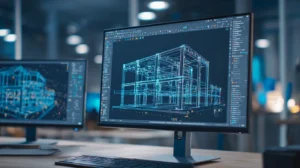
BIM coordination, at its core, is about getting everyone on the same page before a single pipe, duct, or beam is installed. Different trades working in isolation can be risky; instead, the architectural, structural, and MEP models are brought together into a common shared space. With BIM coordination, early clash detection, and construction clash resolution becomes easier, preventing them from becoming major issues later on.
What does it mean for project managers and contractors? BIM coordination benefits all by ensuring fewer surprises, smoother scheduling, and thus, less back-and-forth between teams. BIM coordination services thus make your job easier by replacing guesswork with clarity. It’s a great way to ensure that your teams stay aligned, and your projects move forward without unnecessary delays.
3. Why Multi-Trade Projects Can Fail Without Coordination
Here’s a fact- without prior planning and coordination, even the best plans can quickly unravel. In multi-trade construction, architects, engineers, contractors, and consultants come together to accomplish a project.
Here are 5 instances where things can often go wrong:
- Clashing Systems:
HVAC ducts cutting through structural beams, or plumbing lines intersecting with electrical conduits, are more common than anyone would like to admit. Resolution of these construction clashes force teams to redo work, adding time and expense.
- Outdated Information:
When one trade works from old drawings or an outdated model, their installation may no longer match the latest revisions. This creates a domino effect of corrections and rework.
- On-Site Delays:
If trades are not properly sequenced, one team ends up waiting for another to finish. Stacking crews on-site not only slows progress but also increases the risk of errors.
- Miscommunication and Blame:
Lack of a shared reference point often leads to finger-pointing. Disputes between trades over “who’s at fault” waste valuable time and strain working relationships.
- Escalating Costs:
Every correction, whether rerouting, redesigning, or reinstalling, adds to the project budget. What starts as a small misalignment can quickly snowball into significant overruns.
Avoid these costly failures that hamper your projects
Explore our BIM Coordination services4. BIM Coordination Benefits for Multi-Trade Construction
BIM coordination goes beyond mere 3D Architectural Visualization. It’s about solving everyday construction headaches before they snowball into costly problems.
Here are some important benefits of BIM coordination:
- BIM Clash Detection and Risk Mitigation – Spot Problems Before They Hit the Site
Discovering conflicts during installation can mean expensive rework. BIM highlights clashes early on by detecting ducts that are cutting into beams, or conduits blocking pipes. With the help of BIM Coordination, errors can be fixed digitally rather than physically, saving valuable time and money.
- Cost Control and Savings – Keep Budgets in Check by Cutting Rework
Let’s put it this way- every clash resolution on screen is money saved on construction sites, especially critical when converting existing CAD drawings to BIM
for renovation projects. Fewer change orders mean fewer delays. An accurate estimate of required materials helps keep budgets under control.
- Smarter Scheduling with BIM – Get the Sequence Right the First Time
Planning the order of the work in a project can lead to smoother execution. By linking models to timelines, trade stacking or wasting of downtime can be prevented. All the project participants get clarity on when and where they fit in.
- Collaboration and Communication – Keep Everyone on the Same Page
Multiple models for the same project can be extremely confusing, especially if multiple trades are dependent on it. With BIM Coordination, you can get a single model that allows all trades to work seamlessly. This reduces miscommunication and even prevents assigning of blame in case of any conflict.
- Quality Assurance and Site Safety – Build Safer, Smarter, Better
Maintaining a high quality of construction is highly beneficial in the long run, as durable buildings are able to withstand the test of time. At the same time, ensuring site safety is crucial for creating strong, top-quality buildings. BIM models help to simulate construction in advance, ensuring safety and quality.
- Facility Management and Digital Twin Value – A Model That Lives Beyond Handover
Project handover does not indicate the end of the project, as every building requires regular maintenance. A BIM model acts as a digital twin that can greatly help owners and facility managers to efficiently do the upkeep long after construction ends.
5. When Coordination Fails: Lessons from the Field
Even small inconsistencies in coordination can turn into a headache on construction sites. Multiple trades need to work in sync- if that doesn’t happen, it results into costly rework and project delays. Miscommunication leads to clashes between different systems. Fixing these issues late not only wastes time but also creates disputes among contractors about bearing the cost.
For example, re-routing an HVAC system after interiors are nearly complete can mean breaking finished walls, delaying handover, and pushing the budget off track, requiring updated shop drawings and field coordination. Such mistakes also hurt trust between stakeholders. On the construction site, every clash has a ripple effect- lost productivity, strained relationships, and dissatisfied clients. The lesson is simple: poor coordination and reactive approaches cost far more than proactive planning ever will.
6. Why You Need a Partner for BIM Coordination Services
While software tools like Revit or Navisworks are powerful, they’re only as effective as the expertise behind them, especially when creating custom Revit families for specialized components. Many project teams assume that buying the right software is enough. But that’s not all. BIM coordination services offer the experience, discipline, and a deep understanding of how design translates to on-site execution.
This is where outsourcing to specialized partners like Gsource Technologies makes all the difference. With skilled BIM coordinators who know the intricacies of design, drafting, and construction workflows, you don’t just get models- you get actionable insights that prevent costly errors and streamline delivery.
7. Smart Practices for Smooth BIM Coordination
If you’re handling multi-trade projects, BIM coordination services can take a lot of stress off your plate. Here’s how to make it work best
- Involve BIM early: Don’t wait until designs are locked; early coordination prevents costly changes later.
- Set clear BEPs: A well-defined BIM Execution Plan keeps everyone aligned on responsibilities and deliverables.
- Standardize formats and LOD: Consistency in file types and detail levels avoids confusion and wasted effort.
- Use cloud collaboration tools: Real-time access ensures teams are always working on the latest model.
- Schedule regular coordination reviews: Frequent check-ins help spot and resolve issues before they escalate.
- Share clash reports openly: Treat clash detection in BIM as a joint problem-solving exercise, not a blame game.
Need help implementing these practices in your project?
8. Wrapping Up: Why It’s Worth Getting BIM Coordination Right
At the end of the day, BIM coordination benefits everyone by saving them a lot of hassle. BIM coordination services ensure less rework, fewer disputes, safer sites, and projects that actually finish on time- isn’t that’s what every contractor and project manager wants?
BIM coordination makes that possible by getting all trades working in sync from day one. If you’re tired of last-minute fixes and costly surprises, it’s worth exploring Gsource’s BIM coordination services to keep your next project running smoothly from start to finish.
Shubham Gupta is an Associate BIM Manager at Gsource Technologies with expertise in scan-to-BIM, CAD-to-BIM, 4D simulations, as-built models, CD sets, clash detection, and construction drawings. Dedicated to understanding project challenges in depth, Shubham delivers practical and effective solutions to ensure seamless project execution. With a focus on precision and efficiency, he plays a pivotal role in optimizing workflows and enhancing project outcomes. Outside of work, Shubham is often buried in books or engaged in lively debates about the latest innovations, fueling his passion for cutting-edge solutions.
Read More