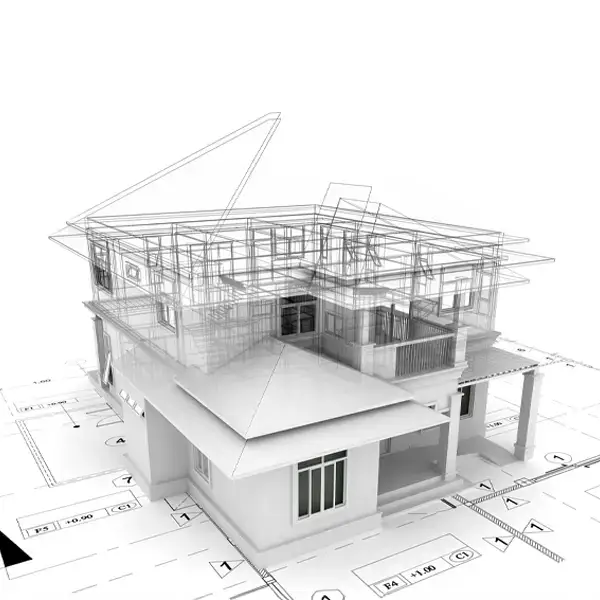
Why BIM Coordination is Critical for Multi-Trade Construction Projects
Every contractor has been there: finding clashes too late, dealing with drawings that don’t match what’s actually on site, and watching trades get in each other’s way. These coordination problems are common in multi-trade projects, but they don’t have to be. Poor coordination can turn a construction job into a nightmare, especially when several trades are involved. Most general contractors, project managers, or MEP contractors can share a story about a project that went sideways because the teams weren’t working together.
3D Architectural Visualization: Definition, History, Types & Workflow
In today's AEC (Architecture, Engineering, and Construction) industry, the need for effective communication and client engagement is higher than ever. Whether you're revising a design or presenting your portfolio, realistic 3D models have become the new standard.
How BIM MEP Services Improve Building Systems in Construction?
In the ever-evolving construction landscape, precision, efficiency, and sustainability are no longer optional—they are essential. One of the most transformative technologies driving this change is Building Information Modeling (BIM), particularly when applied to MEP (Mechanical, Electrical, and Plumbing) systems. BIM MEP services are revolutionizing how building systems are designed, coordinated, and maintained across the project lifecycle.
Top 7 Features to Look for in Architectural BIM Service Providers
The adoption of Building Information Modeling (BIM) in the United States has seen significant growth across the Architecture, Engineering, and Construction (AEC) industry. As of 2023, approximately 74% of contractors, 67% of engineers, and 70% of architects utilize BIM in their projects. Notably, all prominent architecture firms and over one-third of small firms have integrated BIM into their billable work.
Hidden Marina: The First Step in THE LINE’s Visionary Future
THE LINE, an ambitious urban development within NEOM, is redefining the future of sustainable, high-tech living. This revolutionary linear city aims to be car-free, AI-driven, and eco-conscious, offering a model for future urban developments. The first phase of this groundbreaking project is Hidden Marina, a crucial segment setting the foundation for the entire city. Hidden Marina will showcase next-gen construction technology, smart city infrastructure, and cutting-edge urban planning. A key enabler of this vision is Building Information Modeling (BIM), which plays a central role in its planning, execution, and long-term management.
Leveraging BIM for Efficient Clash Detection in Construction
A clash is an instance in design where two components compete for the same space or where the functioning of one component requires space where another element interferes. In architecture, different disciplines work together on various models required for a building, including structural, mechanical, electrical, landscape, and MEP. These models are designed separately and then combined.
9 Trends in BIM that Will Shape the Future of the AEC Industry
The year 2021 became the year of automation, with AI becoming ubiquitous. Not only did the tech industry see the rise of AI, IoT, and blockchain, but it seeped into all the major industries, including construction and architecture.
Bim Coordination Process: A Complete Guide
BIM or building information model forms the backbone of the construction planning process. It saves tons of money and time that would otherwise go to waste if the stakeholders such as the engineers, architects and designers collaborated without this structured approach.
Permit Set vs Construction Set: Understanding the Key Differences
Imagine you’re about to build your dream home or start a major commercial project. You have your vision, your budget & your contractors ready to go - but wait! Before you break ground, you need the right set of drawings to guide the process.
7 Design Expert Strategies for Snow Load, Ice Protection & Winter Storms
The United States experiences some of the harshest winter conditions globally, with heavy snowfalls, ice storms & frigid temperatures wreaking havoc on structures annually. Over the past 40 years, winter storms have caused 30 billion-dollar disasters, totaling over $120 billion in damages. This underscores the economic burden that severe winter weather places on communities. These extreme conditions highlight the importance of incorporating winter design strategies, snow load considerations & ice protection measures to safeguard buildings. From damaged roofs to compromised foundations, winter weather challenges demand resilient design solutions to ensure safety and durability.
